Matthew drenching Central America and Mexico
Tropical Storm Matthew continues to dump heavy rains over Honduras, Belize, Guatemala, and neighboring regions of Mexico today. Puerto Barrios, in northern Guatemala, has received 4.57" of rain in the past 24 hours. With Matthew expected to slow down and dissipate by Sunday, the storm's heavy rains of 6 - 15 inches can be expected to cause severe flooding and dangerous mudslides. The rains are of particular concern for Guatemala, which suffered its rainiest August in its history, followed by the landfall of Tropical Depression 11E during the first week of September, which dumped torrential rains on the country that triggered flooding and mudslides that killed at least 48 Guatemalans.

Figure 1. Visible satellite image from NASA's Terra satellite taken yesterday, showing Tropical Storm Matthew approaching landfall.

Figure 2. Forecast rain amounts for the 5-day period beginning at 2am EDT today (Saturday, September 25) as predicted by this morning's 2am EDT (6Z) run of the GFDL. Very heavy rains in excess of eight inches (yellow colors) are predicted for portions of Central America along Matthew's track. Image credit: Morris Bender, NOAA/GFDL.
Lisa
Tropical Storm Lisa pulled a bit of a surprise last night, intensifying into a Category 1 hurricane with 80 mph winds in the far Eastern Atlantic. Lisa's longitude of 27.9W at the time made it the 10th strongest hurricane so far east in the Atlantic. Record keeping began in 1851, but it is likely that many hurricanes stronger than Lisa were missed prior to the advent of reliable satellite coverage in 1974. Lisa is even farther east than Category 4 Hurricane Julia, which earlier this month set the record for strongest hurricane ever recorded so far east. Lisa's glory will be short-lived, though, as strong upper level winds out of the west are expected to increase tonight, bringing high wind shear of 20 - 45 knots over the storm. The high shear may be capable of destroying the storm by early next week. It appears unlikely that Lisa will affect any land areas.
Forecast for the rest of the tropics
Most of the models continue to predict that by Wednesday, the remnants of Matthew, and/or a piece of a tropical disturbance over the Eastern Pacific off the coast of Guatemala, will evolve into a huge and very wet low pressure system that will start spinning over Central America and the Western Caribbean. NHC has been referring to this expected storm as a "monsoon low", and these sorts of storms are very dangerous for Central America and the Western Caribbean, even if they do not develop into a tropical storm. In October 2007, a similar monsoon low I dubbed "the sleeping giant" spent a week spinning over the region, dumping very heavy rains over all of Central America and the countries bordering the Western Caribbean. Rains from this system triggered flooding that killed 45 people in Haiti, damaged thousands of homes in Cuba, and caused havoc in Guatemala, El Salvador, Belize, Mexico, Jamaica, the Cayman Islands, and the Bahamas. A similar type of storm is likely to develop on Wednesday and Thursday, and most of Central America and the nations surrounding the Western Caribbean can expect to see dangerous flooding rains develop this week in association with this giant low. Most of the models also predict that this big low will eventually develop into a tropical storm or hurricane that would be drawn northwards over Cuba late in the week, and threaten the Bahamas, Florida, or the U.S. Gulf of Mexico coast. This is an exceptionally difficult system to forecast correctly, and the models have been coming up with some pretty unusual solutions as to what might happen. We'll just have to wait and see what unfolds over the next few days.
I'll have an update Sunday by 2pm.
Jeff Masters
Reader Comments
Page: 1 | 2 | 3 | 4 | 5 | 6 | 7 | 8 | 9 | 10 | 11 | 12 | 13 | 14 | 15 | 16 | 17 | 18 | 19 | 20 | 21 | 22 | 23 | 24 | 25 | 26 | 27 | 28 | 29 | 30 | 31 | 32 | 33 | 34 | 35 | 36 | 37 | 38 | 39 | 40 | 41 | 42 | 43 | 44 | 45 | 46 | 47 | 48 | 49 | 50 | 51 — Blog Index
Thanks Ike as I get the same certificate error
Then drifts it to east of the Yucatan on day 5....120 hours....Link
it is a government site everyone has to accept the certificate to see it
yes it seperates the two lows tuesday at 60hr on the run
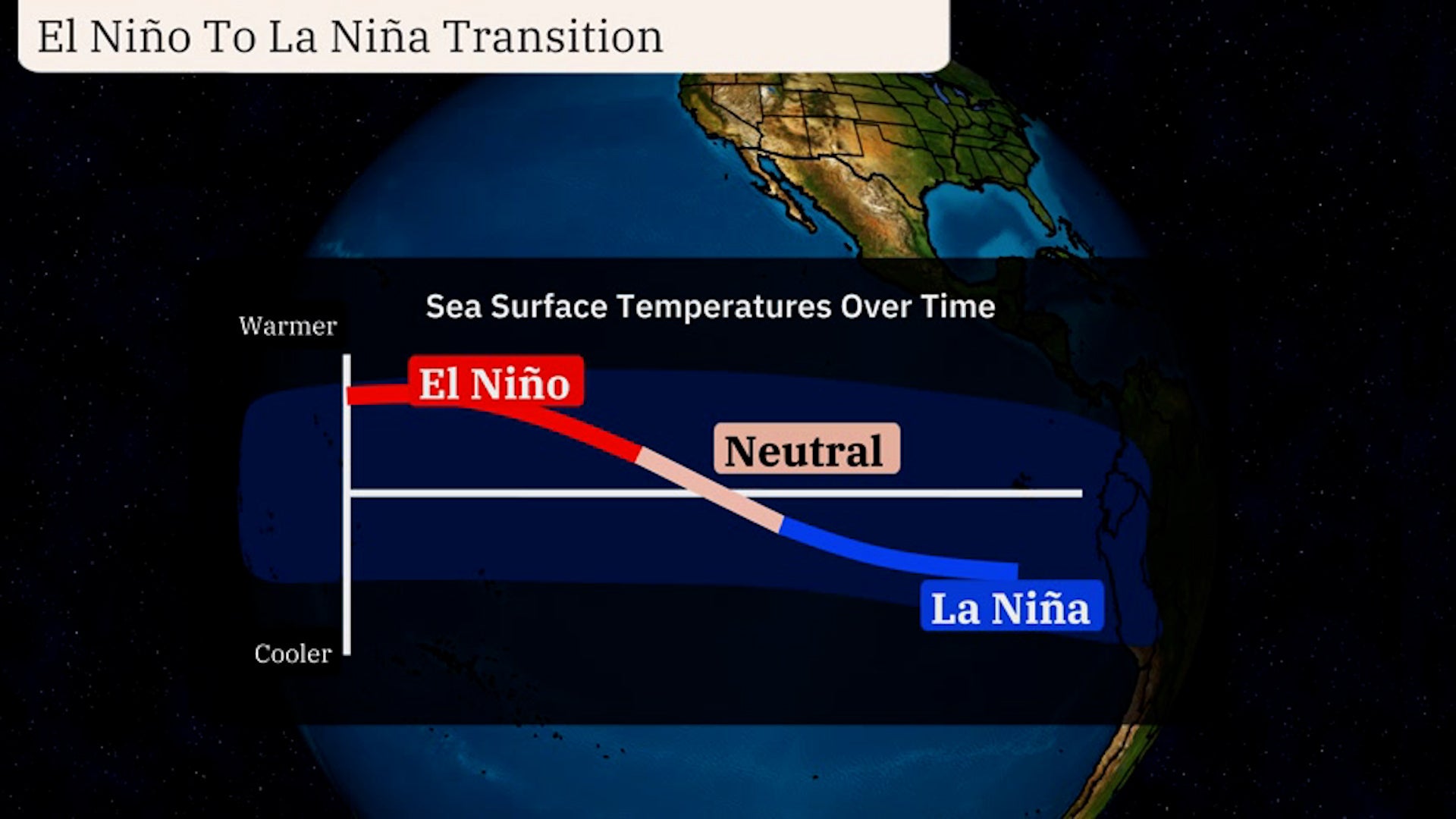
Ike I have a question and no one else has answered it. Do you think the unusually strong trough pattern for this time of year will shut down the hurricane season for us in the Western Panhandle? What I don't understand is that its a La Nina year which usually supports warmer and dryer fall and Winters for the Southeast yest they are predicting this set up for our area. We typically don't start getting cool weather till Halloween so I am baffled by the pattern right now.
I guess he thinks I'm crying over it.
See how this blog starts losing it every day...by about dinner time?
TTAA00 KNHC DDHHMM
TROPICAL WEATHER OUTLOOK
NWS TPC/NATIONAL HURRICANE CENTER MIAMI FL
500 AM PDT SAT SEP 25 2010
FOR THE EASTERN NORTH PACIFIC...EAST OF 140 DEGREES WEST LONGITUDE..
1. A LOW PRESSURE SYSTEM LOCATED ABOUT 250 MILES SOUTHWEST OF
MANZANILLO MEXICO CONTINUES TO PRODUCE DISORGANIZED SHOWER
ACTIVITY. ALTHOUGH UPPER-LEVEL WINDS ARE CURRENTLY ONLY MARGINALLY
FAVORABLE FOR DEVELOPMENT...SOME ADDITIONAL ORGANIZATION OF THIS
DISTURBANCE IS STILL POSSIBLE DURING THE NEXT COUPLE OF DAYS.
THERE IS A MEDIUM CHANCE...30 PERCENT...OF THIS SYSTEM BECOMING A
TROPICAL CYCLONE DURING THE NEXT 48 HOURS AS IT MOVES WESTWARD AT
5 TO 10 MPH.
ELSEWHERE...TROPICAL CYCLONE FORMATION IS NOT EXPECTED DURING THE
NEXT 48 HOURS.
$$
FORECASTER STEWART
NNNN
I don't think it's shut down completely over the next 7-14 days.
Ok that is what I was wondering. I don't know if I believe the models too much over the strong fronts coming down. There supposed to be weak this La Nina, but I guess its a wait and see. By the way, I sooo agree with the comment about the downhill turn the blog takes around dinner time. I only can take so much of it till I get annoyed and go into lurker status.
It's because you are just following the convection blob and not the actual circulation. Convection comes and goes and seperates and redevelops. Follow the circulation, not the pretty colors of the convection.
WOW
and its still sticking to a so fla landfall how strong is that ouch
Link
2-4 am isn't bad either.
Florida panhandle born and bread.
hahaha...that explains the problems with the models clearly.:)
Now that is spaghetti ...lots of uncertainy
in the last few frames it looks to be the case
Viewing: 101 - 151
Page: 1 | 2 | 3 | 4 | 5 | 6 | 7 | 8 | 9 | 10 | 11 | 12 | 13 | 14 | 15 | 16 | 17 | 18 | 19 | 20 | 21 | 22 | 23 | 24 | 25 | 26 | 27 | 28 | 29 | 30 | 31 | 32 | 33 | 34 | 35 | 36 | 37 | 38 | 39 | 40 | 41 | 42 | 43 | 44 | 45 | 46 | 47 | 48 | 49 | 50 | 51 — Blog Index